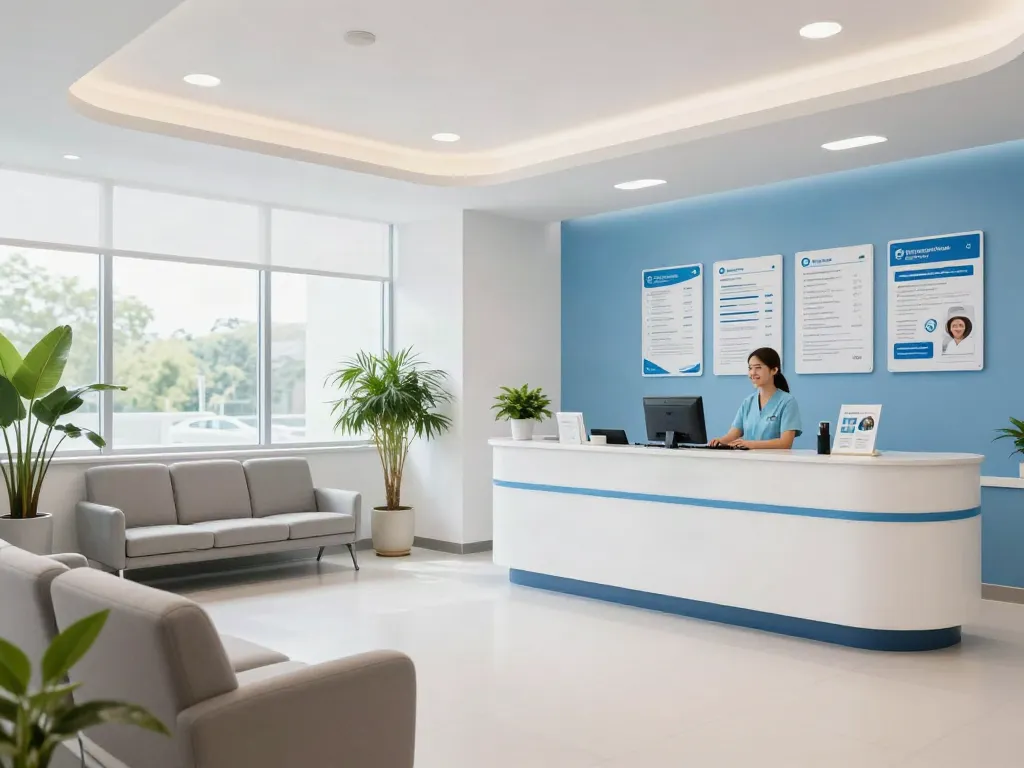
Understanding Basic Healthcare Services
In our journey towards understanding healthcare services, it’s crucial to appreciate the multifaceted nature of patient care. Every interaction within the healthcare system can greatly influence the outcomes of our health, making it essential to navigate this system with informed awareness. Healthcare professionals, from pharmacists to physicians, play various roles, ensuring that every patient receives tailored care that addresses their unique needs. This article aims to elucidate essential healthcare services, their importance, and how various healthcare providers contribute to a holistic understanding of patient care. For instance, when exploring options, toto togel can provide comprehensive insights into accessible services.
Overview of Medical Services
Medical services encompass a wide range of health-related activities designed to diagnose, treat, and prevent illnesses. These services can range from emergency room visits and surgeries to preventive care and routine check-ups. An integral part of these services is the primary care provider, who coordinates patient care and connects patients to specialists as needed.
- Primary Care: Serves as the first point of contact for patients and focuses on overall health maintenance.
- Specialty Care: Involves specialized medical professionals who provide targeted treatment for specific health concerns.
- Emergency Services: Critical care for acute conditions that require immediate attention.
The Importance of Patient Care
Patient care is not just about treating medical conditions but also about enhancing the overall well-being of patients through empathetic interactions. Effective communication, emotional support, and patient education are crucial aspects of patient care. Given the complexities of health issues today, understanding patient-centered care can lead to better health outcomes and improved patient satisfaction.
Types of Healthcare Providers
Healthcare providers include a variety of professionals who play distinct roles in patient care:
- Doctors: Diagnose and treat health conditions, manage treatment plans, and perform surgeries.
- Nurses: Provide nursing care, assist in patient recovery, and educate patients about health management.
- Pharmacists: Dispense medications, counsel patients on drug interactions, and manage e-prescriptions.
- Allied Health Professionals: Include physiotherapists, occupational therapists, and dietitians who support various aspects of health recovery and wellness.
Exploring Telemedicine Innovations
Telemedicine has revolutionized the way healthcare is accessed and delivered. By leveraging technology, patients can now consult with healthcare providers from the comfort of their homes, making healthcare more accessible and efficient. This innovation is particularly beneficial in rural areas where healthcare services may be limited.
How Telemedicine Works
Telemedicine operates through videoconferencing, mobile apps, and other digital communication methods that facilitate remote consultations. Patients can schedule an appointment, connect with their healthcare provider, and receive guidance on diagnosis and treatment without needing to visit a clinic physically.
Benefits of Remote Consultations
Remote consultations present numerous advantages, including:
- Convenience: Eliminates travel time and waiting room delays.
- Cost-Effectiveness: Reduces the expenses associated with in-person visits.
- Accessibility: Provides care to patients in remote or underserved locations.
Choosing the Right Telehealth Service
When selecting a telehealth service, patients should consider factors such as the provider’s credentials, the range of services offered, and the technology used. Ensuring that the service is secure and maintains patient confidentiality is paramount.
Preventive Health and Wellness Screenings
Preventive health care plays a pivotal role in maintaining good health and preventing diseases before they develop. Regular health screenings help identify potential health issues early, which significantly improves treatment success rates.
Importance of Regular Health Screenings
Health screenings can detect early signs of various conditions, such as diabetes, hypertension, and cancer. Early detection often leads to simpler and more effective treatment options.
Common Preventive Services Available
The types of preventive services may include:
- Blood Pressure Checks: Regular monitoring can prevent complications from hypertension.
- Cholesterol Tests: Essential for assessing heart health and risk factors for cardiovascular diseases.
- Cancer Screenings: Mammograms and colonoscopy are crucial for early cancer detection.
Understanding Health Insurance Coverage
Patients should familiarize themselves with their health insurance plans regarding preventive services. Many insurance providers cover these services at no out-of-pocket cost; knowing what your plan covers can lead to significant savings and better health management.
Managing Chronic Health Conditions
Chronic health conditions require ongoing management and care. Understanding disease processes and treatment protocols is vital for patients living with chronic illnesses.
Common Chronic Conditions and Their Management
Some prevalent chronic conditions include:
- Diabetes: Requires regular monitoring of blood glucose levels and dietary management.
- Asthma: Managed with medication, knowledge of triggers, and regular check-ups.
- Heart Disease: Involves lifestyle changes and medications to control risk factors.
Patient Rights and Advocacy
Patients have the right to be informed about their health conditions, treatment options, and the right to seek a second opinion. Advocacy is crucial in ensuring that patients receive holistic and consultative care that aligns with their health goals.
Engaging with Healthcare Professionals
Open communication between patients and healthcare professionals is fundamental for effective treatment. Patients should feel empowered to ask questions and engage actively in their care plans.
Mental Health Awareness and Treatment Options
Mental health is an integral aspect of overall wellness. Understanding mental health conditions and available treatments can lead to effective management and support.
Understanding Mental Health
Mental health encompasses emotional, psychological, and social well-being. It affects how individuals think, feel, and act. Mental health conditions, such as depression and anxiety, should be treated with the same urgency as physical health issues.
Accessing Counseling and Therapy
Therapeutic interventions, including counseling and psychotherapy, can provide invaluable support. These services help individuals develop coping strategies and promote mental resilience.
Resources for Mental Health Support
Patients seeking mental health support can access resources through community programs, support groups, and professional counseling. Many services are accessible online, offering flexibility in how individuals engage with mental health care.
FAQs
What is toto togel?
Toto togel refers to a specific lottery game characterized by its unique format and community engagement. It serves as an entertainment option for participants while emphasizing responsible gameplay.
How does telemedicine work?
Telemedicine operates through technology, allowing patients to interact with healthcare providers remotely via video calls, messaging, or phone calls. This method enhances accessibility and flexibility for patients seeking care.
What preventive health services should I consider?
Depending on age, gender, and personal health history, preventive services such as vaccinations, cancer screenings, and regular physical exams are crucial for maintaining health and preventing diseases.